
The assessment was prepared together with the Swiss consultancy Neosys AG in line with the "Greenhouse Gas Protocol Corporate Standard", the "Scope 2 standard" and the "Corporate Value Chain (Scope 3) Standard" and is based on operational data from the site in Uznach as well as recognised Swiss and international emission factors; methodology and data quality were elaborated in collaboration with Neosys AG. With this step, Otto Hofstetter AG creates a transparent reference point for its future ESG- and CSRD-oriented reporting and can use the data as a starting point for defining long-term emission reduction targets.
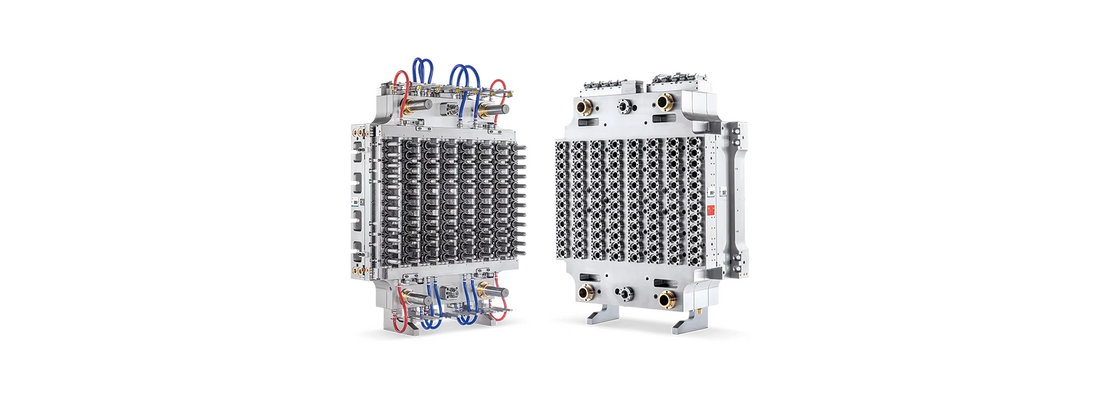
The Corporate Carbon Footprint of Otto Hofstetter AG covers direct emissions from natural gas use and the vehicle fleet (Scope 1), electricity consumption at the Uznach plant (Scope 2), and relevant upstream activities such as purchased and capital goods, outsourced transport, employee commuting and business travel (upstream Scope 3). In addition, it also quantifies downstream Scope 3 emissions from the use of moulds at customer facilities over an assumed twelve years of continuous operation. The CCF shows that 95% of total emissions result from a hypothetical 12-year operation of the moulds at customer plants. This significant share of use-phase emissions largely depends on the production infrastructure and energy sources selected by the operators, as well as the long service life for which the moulds manufactured by Otto Hofstetter AG are designed. Therefore, important levers for operators lie in regular maintenance and efficient operation.