(Photo credit: Otto Hofstetter AG)

Back

CO₂ performance

Otto Hofstetter AG reduces CO₂ emissions in purchased mould steel

Otto Hofstetter AGUznach, Switzerland

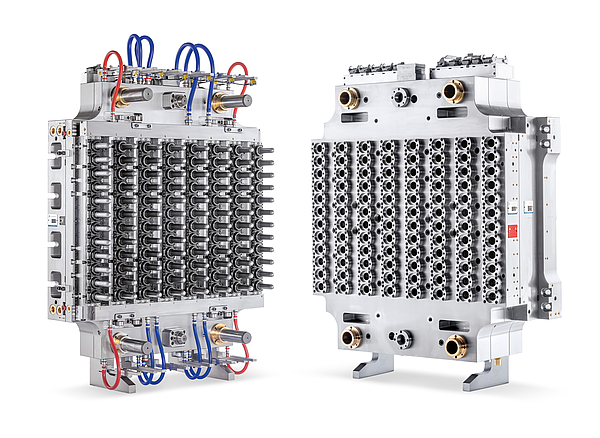
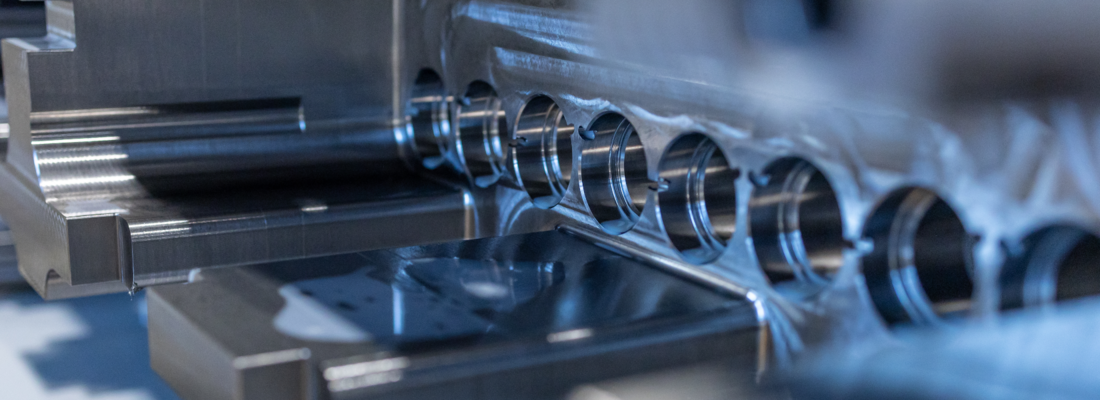
Based on its Corporate Carbon Footprint, Otto Hofstetter AG has defined targeted measures to reduce emissions where they fall within the company’s direct area of responsibility. One effective lever is purchased mould steel. Through the purchase of steel with a lower CO₂ footprint, the company is reducing emissions from purchased steel, with no compromise in quality, precision or service life of the moulds.

The Corporate Carbon Footprint assessment for 2024 shows that the largest share of emissions over the entire life cycle of the moulds arises during the use phase at customer facilities. These emissions are largely determined by the production environment, operating hours and the electricity mix used, and therefore lie outside the direct influence of Otto Hofstetter AG.

This makes it all the more important for the company to manage its own contribution along the value chain. Within the reporting-relevant emissions of Scopes 1 to 3a, around 95 percent originate from upstream activities. Approximately 50 percent of this CO₂ burden is attributable to raw and auxiliary materials. At the production site in Uznach, modern infrastructure and efficient processes leave limited scope for further reductions in direct emissions. Purchased materials therefore represent an effective lever for measurable improvements.

Together with its long-standing steel supplier ThyssenKrupp (Schweiz) Materials (THK), a new solution has been defined for the key mould steel qualities that account for the majority of the processed volume. For two selected steel grades, which together represent around 90 percent of the total steel consumption, CO₂ emissions from purchased steel can be reduced by approx. 46 percent. These reductions are achieved through more energy-efficient production processes, the use of electricity from renewable sources and a higher share of recycled steel. Mechanical properties, machinability and material quality remain fully unchanged. This measure alone reduces the company’s total upstream emissions (Scope 3a) by 20 percent.

The transition to the new steel qualities is being implemented on a rolling basis. Both THK and Otto Hofstetter AG maintain steel inventories to ensure delivery reliability for customers. Existing stock will therefore continue to be used until depleted. The lower-CO₂ steel qualities will be introduced progressively as inventories are reduced, ensuring supply security while steadily improving the CO₂ performance of purchased steel.

Upon request, customers can receive Product Carbon Footprint documentation as well as quality certificates in accordance with the GHG Protocol. In parallel, Otto Hofstetter AG is developing a CO₂ footprint calculator for moulds. This will enable the creation of Product Carbon Footprint certificates for individual moulds based on recognised international standards, providing transparent and consistent data.

As part of the changeover, all steel offcuts and chips are separated by grade at both the supplier and Otto Hofstetter AG and returned directly to the steelworks for reuse. The targeted use of recycled steel reduces CO₂ emissions already at the steel production stage and lowers energy demand along the supply chain.

This voluntary initiative forms part of a long-term corporate approach based on the principles Retain, Regain, Replace and Report. As a Swiss family-owned company, Otto Hofstetter AG plans in generations and combines durable quality with a responsible use of resources and transparent reporting.

www.otto-hofstetter.swiss

PETnology's Resource Guide
comPETence center

The comPETence center provides your organisation with a dynamic, cost effective way to promote your products and services.

Find out more

Current Magazine Cover
Our premium articles
comPETence
magazine

Find our premium articles, interviews, reports and more
in 3 issues in 2026.

Find out more
Current issue