
As packaging manufacturers continue to pursue lightweighting strategies, ensuring bottle performance throughout increasingly complex distribution networks remains a critical engineering challenge. A new study by BMT demonstrates how integrated simulation and physical testing can be used to predict and mitigate altitude-induced bottle deformation before products enter the supply chain.
Pressure differentials created when products filled at high-altitude facilities are transported to lower elevations can generate an internal vacuum effect within sealed containers, leading to deformation in the shape of panelling, and in severe cases, structural collapse. With altitude-induced pressure changes being a well-recognised consideration in package development, it can result in over-engineering and create conflict with bottle lightweighting aims.
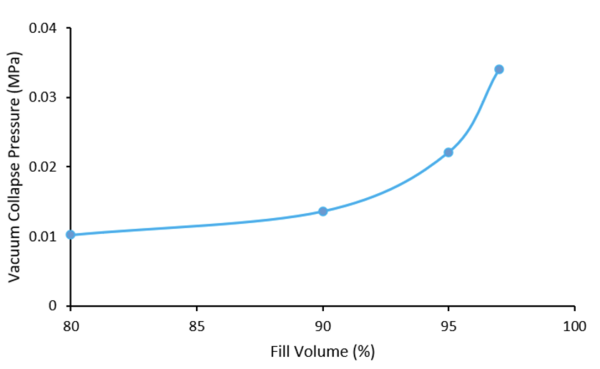
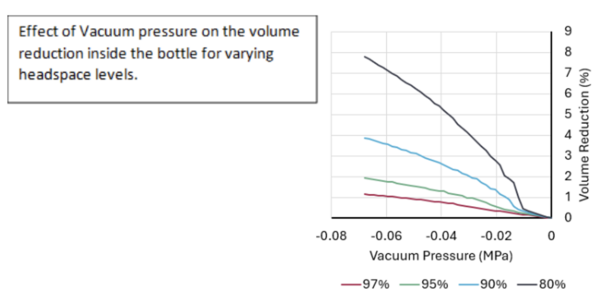
To address this challenge, BMT developed an integrated engineering methodology combining stretch blow moulding (SBM) simulation and structural testing to assess the impact of fill volume on bottle performance under altitude-induced pressure changes. The approach was validated through a Mount Everest inspired case study simulating a bottle filled and sealed at the summit before being transported to sea level.
"Packaging performance must be assessed across the distribution chain, not just at the point of manufacture. This work demonstrates how simulation and physical testing can be used together to predict altitude-induced panelling and support more informed package design decisions" says Ross Blair, Head of Engineering at BMT.