Suplas processes 28,000 tons of PET trays annually, producing food-grade PET tray flake and achieving a "tray-to-tray" closed-loop recycling.
Most of China's post-consumer PET trays are downcycled. A 2026 action plan aims for 19.5 million tonnes of plastic recycling by 2030, highlighting the lack of food-grade routes for non-bottle PET.
Similar gaps exist elsewhere. Europe's PPWR mandates 30% recycled content in sensitive PET by 2030, but according to ICIS report, only 300,000 of 1.07 million tonnes of PET trays were recycled, and dedicated tray-to-tray capacity in the Netherlands, Spain and France was just 57,000 tonnes in 2022. In North America, about 120,000 tonnes of PET thermoforms were recycled in 2024, according to Napcor.
These figures highlight the gap between regulatory targets and current PET tray recycling, especially for food-grade use. A true circular economy aims to maximize resource utilization through high-value applications and closed-loop recycling.
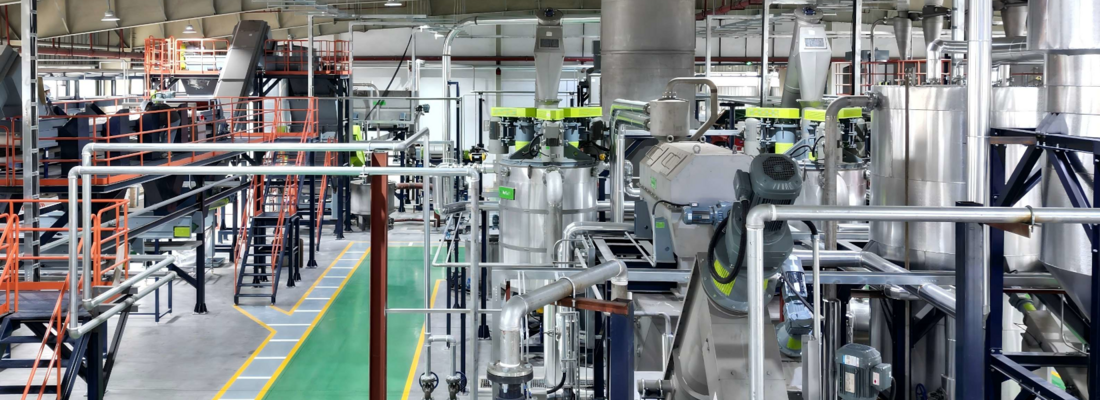
Suplas uses Boretech's PET Tray Washing System to achieve key technological breakthroughs to address the industry pain points of high compaction, heavy adhesive contamination, and brittleness with complex impurities. Through this system, adhesive labels are effectively removed, labels and materials are efficiently separated, and PET material loss is significantly controlled. The final PET flakes excel in key indicators such as adhesive residue and PVC content, demonstrating the potential to meet food-grade application standards.