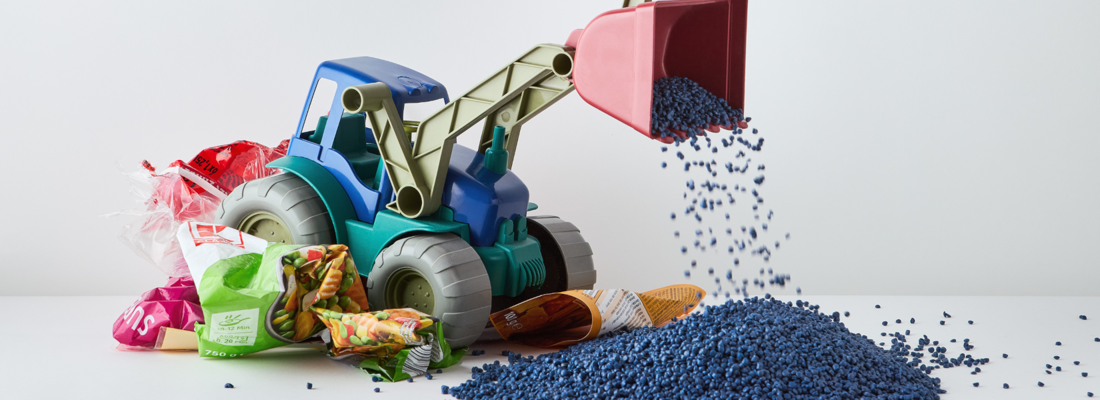
Measurable progress – not just good intentions: In a time when resources are becoming scarcer and global supply chains are becoming increasingly fragile, the sustainable use of plastic is no longer just an environmental issue. The circular economy is becoming a key lever for Europe’s security of supply and resource sovereignty. As an internationally leading retail group, the companies of Schwarz Group recognized this back in 2018 and launched a jointly developed plastic strategy with concrete, measurable targets.
Positive Final Results for the Joint REset Plastic Strategy
At the end of the 2025 fiscal year, which also marks the final year of REset Plastic, the companies of Schwarz Group are reporting positive final results. Thanks to the consistent implementation of the strategy throughout the group, the ambitious targets for reducing plastic use and increasing the use of recycled material were achieved or significantly exceeded. In the last fiscal year, substantial percentage increases were also achieved in the use of recycled material and recyclability.
Plastic reduction:
Target: “By 2025, Lidl and Kaufland will use 30 percent less plastic in their private-label primary packaging and transport aids made of plastic compared to the base year of 2017.”
The target of reducing plastic use in the company's own-brand primary packaging and transport aids made of plastic by 30 percent compared to the base year was exceeded with a reduction of 36 percent.
Use of recycled material:
Target: “By 2025, Lidl and Kaufland will use an average of 25 percent recycled material in their private-label primary packaging made of plastic.”
With an increase of six percentage points compared to the previous fiscal year, the companies of Schwarz Group achieved their target for the use of recycled material. The Lidl and Kaufland retail divisions now use 26 percent recycled material in their own-brand plastic packaging.