Loose fibers from functional clothing, discarded PET bottles, or abandoned packaging: When such plastic materials enter the environment, they often persist there for a long time. UV radiation, precipitation, and ozone cause them to become brittle – and over time, mechanical forces break them down into increasingly smaller particles. Swirled up by the wind, they are carried further through the atmosphere. Until now, it was unclear how much microplastic ends up back in Swiss soil and water bodies through this process.
Researchers at Empa, together with colleagues from Eawag and Agroscope, have now systematically documented this for the first time. According to the study, which was supported by the Federal Office for the Environment (FOEN), approximately 219 tons of microplastics settle in Switzerland each year in areas below 2,000 meters in elevation. “Sensitive” areas are particularly relevant here: The researchers estimate that about 78 tons settle on agricultural land and about 10 tons settle directly into water bodies each year.
Microplastics can also be found in rural areas
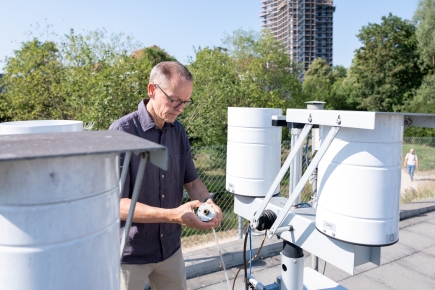
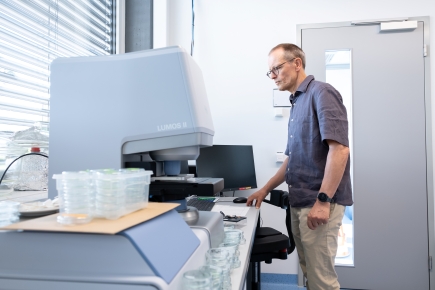
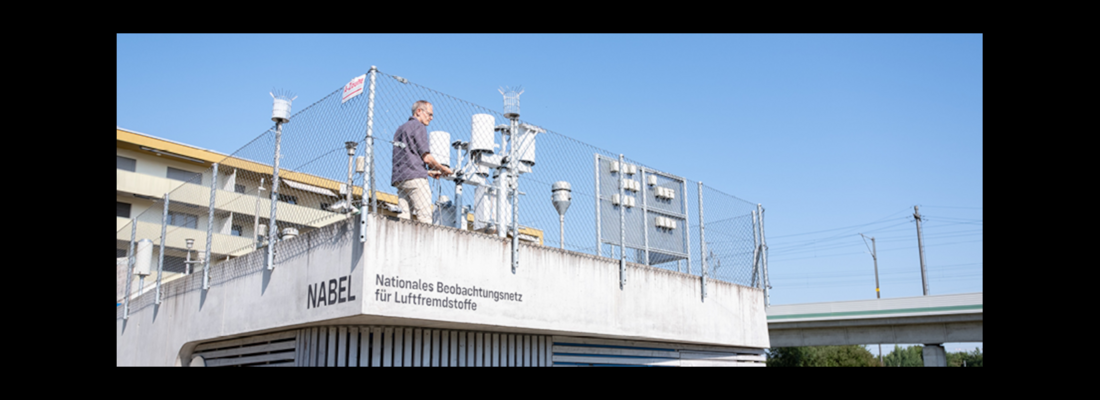
Measurements were taken over the course of an entire year at five locations: Zurich, Dübendorf, Magadino, Payerne, and on Mount Chaumont in the Jura Mountains. Each month, the researchers collected samples of wet and dry deposition – that is, particles captured and washed out of the air by rain and snow, and those that settle due to gravity. The researchers analyzed microplastic particles with diameters ranging from 20 to 215 micrometers. At the urban site in Zurich, they found an average deposition of 881 particles per square meter per day. At the other sites, the values – ranging from 249 to 331 particles – were significantly lower and relatively similar.