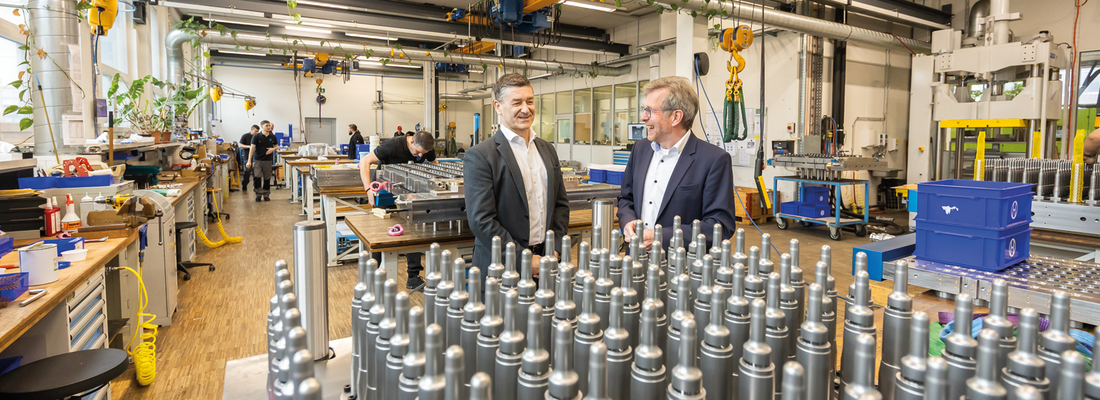
(Photo credit: PETnology/tecPET GmbH)
Magazine connecting comPETence, issue TWO:26
Exclusive interview with Otto Hofstetter: Connection, Dialogue and Mutual Trust
As technological solutions become increasingly comparable, trust makes the decisive difference. Connection and dialogue create the foundation for sustainable value creation and long-term partnerships. Technology determines what is possible - trust determines what truly works.
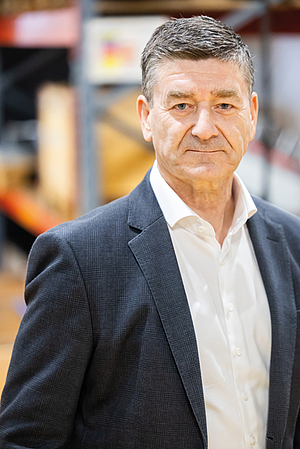
When I asked Otto Hofstetter, our lead sponsor, to write the foreword of the PETnology conference handbook, he immediately emphasised the importance of ‘connection, dialogue and mutual trust’ to him, alongside technology and innovation. He said that he prioritises these as his strategic imperatives. As you read on, you will discover how Otto Hofstetter translates these principles into business success in the PET market and the highly specialised field of PET mould making.
First of all, I would like to thank you personally, as well as Otto Hofstetter AG. You have supported us with great warmth, which you have demonstrated in a very special way through your LEAD sponsorship. Thank you very much for your commitment to our mission of connecting competence.
Connection
What role do long-term relationships play in an industry that is increasingly volatile and fragmented on a global scale?
OH: Long-term relationships are more important today than ever before. Trust significantly reduces transaction and processing costs because there is no need to renegotiate or finalise every detail. This means that decisions can be made more quickly and projects implemented more efficiently. In a volatile industry in particular, stable partnerships create security and continuity. A fundamental principle that I have long held is now backed up by numerous studies: trust has economic leverage that is often underestimated.
Has your network of customers, suppliers, and partners changed in recent years? If so, how?
OH: Yes, significantly. In the past, the people we dealt with were often the owners themselves, who could make decisions quickly. Today, many companies are led by managers who want to safeguard decisions more thoroughly and seek multiple internal confirmations. This has slowed down processes. Trust needs to be rebuilt, and this takes time. We are approaching this process with complete openness because the new generation is interested in low transaction costs and high efficiency, too.
How important is physical proximity compared to global connections for Otto Hofstetter AG?
OH: Despite globalisation, physical proximity remains very important. Face-to-face meetings create an emotional connection, strengthen trust, and foster long-term loyalty. Digital communication is efficient and helpful at many stages. However, at the crucial moment when an investment decision or solution is finalised, nothing can replace the commitment of a handshake.
How do you select your strategic partners? Technological strength is certainly one factor. What other qualities are important?
OH: The technological expertise of the highest standard is a basic requirement. Beyond that, trust, reliability, and a shared understanding of quality are also key. Many of our partners are owner-managed companies that share our values, think in a solution-oriented way, and are prepared to embrace change. This combination has proven its worth and will become even more important in the future.
To what extent has the growing uncertainty, both geopolitical and economic, altered the nature and intensity of your collaborations?
OH: The uncertainty has caused many customers to delay investment. At the same time, however, we have increased our efforts to nurture relationships. In difficult times, it is particularly important to be available and develop solutions together. True partnership is about putting yourself in the other person’s shoes and finding solutions within that context. A fundamental prerequisite is viewing the customer not merely as a short-term buyer, but taking a genuine interest in their long-term success.
Which strategic decisions have proven particularly valuable in times of crisis?
OH: Crises highlight just how important reliability and trust are. Customers are paying closer attention than ever to which partners they can work with in the long term. Investing in building close relationships with customers is always worthwhile. Ultimately, it is the company’s attitude rather than rational measures that makes the difference at such times.
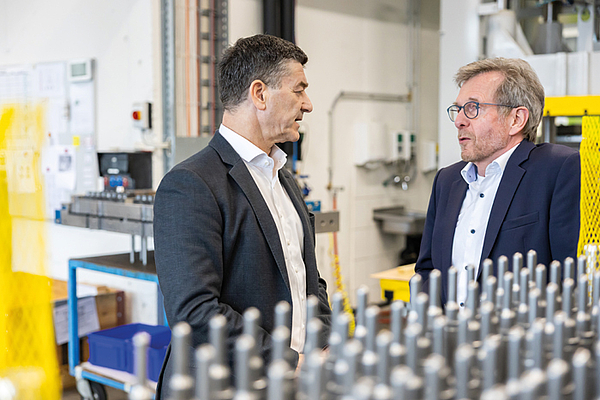
Dialogue
What role do you think open dialogue plays in driving innovation in mouldmaking and the PET packaging industry in general?
OH: Open dialogue is all about honesty. We only offer products and processes that we have mastered. Innovation only arises when one is honest about both possibilities and limitations. Direct exchange brings together different perspectives and opens up the potential for new solutions that might not have been conceivable before. The more diverse the group engaging in this exchange, the more exciting the result.
How do you create spaces, both internally and externally, where sensitive issues can be discussed openly?
OH: It’s important that mistakes aren’t ignored and are addressed promptly. The focus must always be on the issue, not the person. In such a culture, mistakes are permitted because people know they can learn from them and deal with them constructively. This is also a prerequisite for innovation: those who shy away from the risk of making mistakes won’t develop further.
How important are platforms such as trade fairs and industry gatherings, like our PETnology conference, for knowledge exchange and the further development of the PET packaging industry?
OH: Such platforms are hugely important for networking. However, the interaction must be meaningful; otherwise, it is of little use. What matters is substantive discussion about technologies, market information and global trends. In an international industry, such events help identify developments early on and facilitate learning from one another. They strengthen connections and provide inspiration, forming the basis for open exchange. Input from related fields or other industries is also valuable.
Which topics do you feel are not discussed enough, or not deeply enough, in our industry?
OH: These days, investment decisions are all too often judged solely on the basis of the initial outlay. The correct approach would be to calculate the total costs over the entire life cycle, including those incurred at the end of the product’s useful life. Only by calculating in this way can one identify where the real value creation lies. Added to this is the fact that products today are heavily influenced by marketing and are changing in ever-shorter cycles. Consequently, investments in moulds and machinery often cannot be recouped sufficiently. It is important for our industry to have this discussion about shifting perspectives.
What role does digital communication play in comparison to face-to-face interaction?
OH: The speed and global reach of digital communication are invaluable in today’s world. Digital channels are ideal for providing an overview of offers, coordinating project data and implementation, and facilitating general project communication. However, physical contact is essential for important milestones or exceptional situations. Digital communication cannot replace that.
Mutual Trust
How can trust be built in an increasingly uncertain and internationally interconnected supply chain?
OH: Trust is built through consistency and reliability. Many of our sales and service staff have supported our customers for years. This means we have a very good understanding of their needs and can address them specifically. Continuity creates security. This is underpinned by a family business culture that has upheld a set of values across generations — values that customers and partners can rely on.
Which factors are currently undermining trust between business partners?
OH: Geopolitical tensions, sanctions, uncertain trade relations and rising energy prices are putting a strain on many business relationships. While these external factors can complicate customer relationships, they do not jeopardise trust itself as long as you continue to behave in a way that customers are accustomed to. Trust enables you to weather difficult periods and reactivate relationships in the medium or long term.
How do you handle situations where trust is put to the test, such as delivery issues or quality problems?
OH: When problems arise, we try to find pragmatic solutions quickly, because our customers cannot afford production stoppages or delays. In critical situations, I visit customers in person to demonstrate my commitment to taking responsibility for my company’s mistakes and rebuilding trust. This personal approach demonstrates our appreciation and reliability.
What role do openness and transparency play when working with clients and partners?
OH: Openness and transparency foster trust and credibility. This is particularly important in difficult situations, as well as in successful projects. They form the foundation on which trust can grow. This culture enables our partners to share responsibility and contribute actively to finding solutions.
To what extent is trust a competitive factor in mould making today?
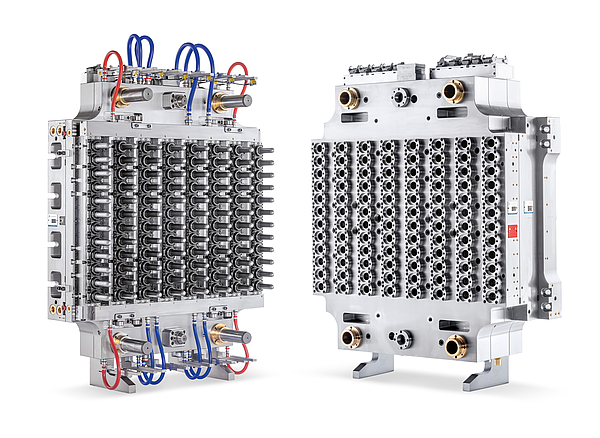
OH: Trust enables us to be involved early on in the process and to collaborate on the development of solutions right from the start. This allows us to identify risks at an early stage and to better define and implement customer requirements. There is also a second aspect to this. When we launch an innovation, customers who trust our technical expertise are more open to new solutions. Ultimately, trust is one of the key reasons why a customer chooses our mould or system.
Could you give an example of when a longstanding trusting relationship really paid off during a difficult time?technologies and machinery with high cost pressure.
OH: We had a mould that caused quality and performance issues from the outset. Despite making numerous adjustments, we were unable to resolve the problem completely. The customer became increasingly anxious and their confidence in our performance waned. At some point, it became clear that the mould had to be replaced. I travelled there personally to apologise for the inconvenience caused. During our conversation, the customer assured me that he valued us highly as a partner and would continue to rely on us. Shortly afterwards, we received an enquiry for a new mould.
Which technological developments will have the greatest impact on the industry while also requiring a high degree of trust?
OH: The use of recycled PET material and reliable proof of a functioning circular economy will become increasingly important in the future. New materials such as rPET can create uncertainty. People are more likely to trust those who can deliver a good solution. The same applies to trust in material flows: ensuring that what is stated on the label is what you actually get.
Ultimately, business is about figures, results, efficiency and technology. So aren’t connection, dialogue and mutual trust more idealistic concepts? Or do they actually represent something crucial, namely the true factors for success in a market where products are becoming increasingly sophisticated and comparable?
OH: Mutual trust is the result of connection and dialogue. Ultimately, trust is the most important factor in why a customer chooses our mould or system. It creates the basis for sound value creation and long-term cooperation. After all, everything is interconnected. While figures, efficiency and technology are visible facts, connection, dialogue and mutual trust are what make these results sustainable. In a market where many offerings have become technologically comparable, it is often precisely these factors that determine which partner a customer wishes to work with. Technology determines what is possible. Trust determines what actually works.
The comPETence center provides your organisation with a dynamic, cost effective way to promote your products and services.
magazine
Find our premium articles, interviews, reports and more
in 3 issues in 2026.