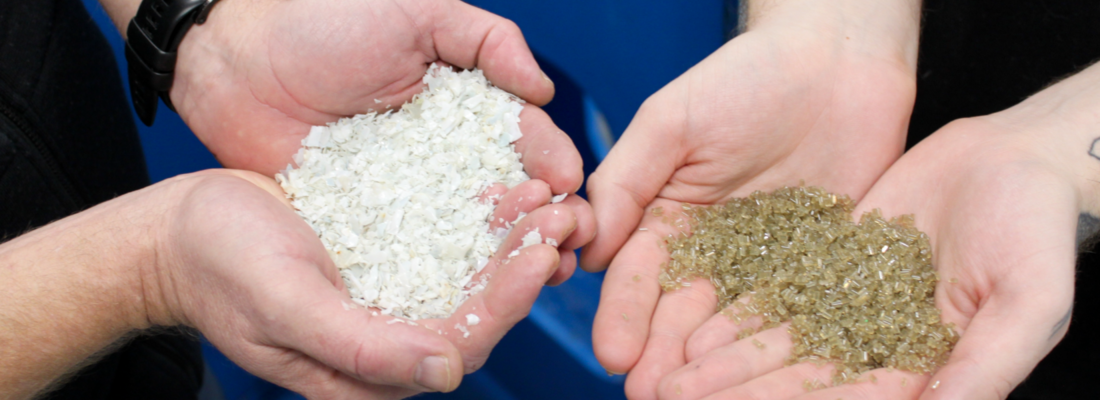
(Photo credit: Norner)

Back

High-loop PET recycling

Norner: Rapid growth in PET bottle recycling - threat or opportunity?

Porsgrunn, Norway

Regulatory requirements and sustainability commitments are accelerating the use of rPET in beverage packaging. As brands increase recycled content and recycling loops, the PET value chain must address material and processing challenges to maintain long‑term quality.

Learnings from Norway

Norway’s well-established deposit return system offers a unique early insight into these developments. With their long experience in high-loop PET recycling and rapid turnaround times, the Norwegian system shows a clear trend: higher rPET content leads to more contamination and more complex material behaviour. This is now becoming visible across Europe as recycling volumes rise.

New technical challenges emerging in high rPET systems

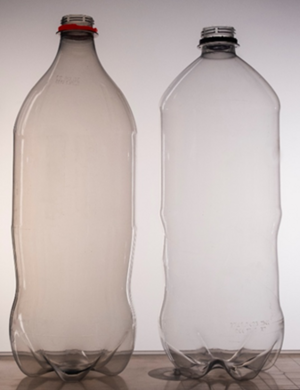
Experience from the Norwegian recycling loops shows that increased recycled content introduces common aspects like greyness, but also other, more serious technical issues, including:

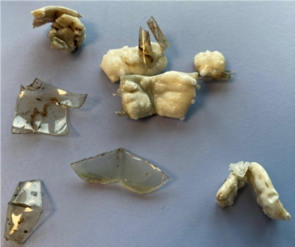
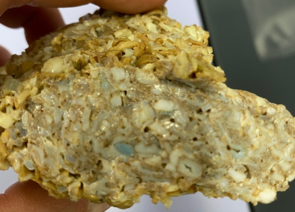
  • Changes in crystalline morphology leading to reduced cold crystallization rate during heating from the solid state - creating sticky surfaces
  • Higher CO₂ absorption and reduced desorption, resulting in foamed flakes
  • Reduced recycling process efficiency and product quality (lower intrinsic viscosity)
  • Greater variability in rPET conversion behaviour resulting in process optimization challenges
  • Increased variability in product performance, including optical, mechanical, and barrier 

These effects directly influence processing stability, product quality, and the ability to meet food contact and performance requirements.

rPET streams become more complex

With EU targets of 30% recycled content in PET beverage bottles by 2030 and 90% selective collection by 2029, demand for high-quality rPET is increasing. At the same time, global trade in plastic waste and recycled materials is blending feedstocks from different regions and technologies. This creates unprecedented variability in rPET, including contamination, altered crystal morphology, reduced process efficiency (ISBM/Recycling), and unpredictable product performance.

The industry needs to address:

  • Identifying and resolving new technical issues related to high rPET content (material greyness, sticky surfaces, foamed flakes, lower intrinsic viscosity without compromising the recycling process efficiency, and greater variability in product quality
  • Adapting quality standards and processing methods to account for the increased complexity and variability brought by blending feedstock from different regions and technologies.
  • Monitoring and managmanaging contaminants more effectively, learning from advanced systems like Norway’s deposit return model, which demonstrates that higher recycling loops lead to more contamination and complex material behaviour.
  • Investing in research and pilot-scale testing to better understand the behaviour of rPET
  • Collaborating across the PET value chain to share best practices, data, and innovations

Ultimately, the industry must proactively adapt to the evolving complexities of rPET streams, ensuring stability in processing, maintaining product quality, and meeting stringent food-contact and performance requirements as recycling targets and volumes increase.

Norner expands pilot scale capabilities to support the transition

Norner, a Polymer R&D centre in Norway, works with the industry to navigate this complexity, with significant investments in new pilot-scale recycling and testing facilities. These facilities allow companies to simulate realistic recycling and processing conditions without the cost and risk of full-scale production trials. Recent investments include:

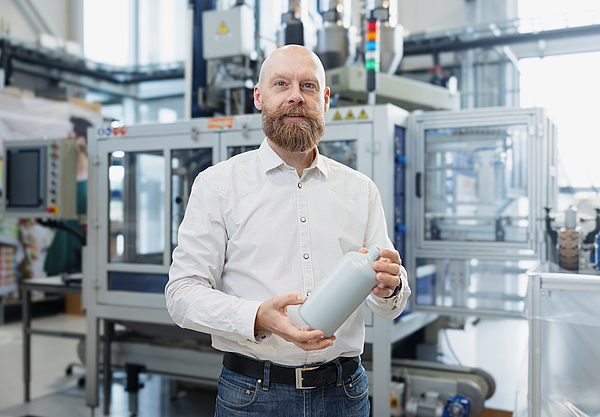
Kjetil Larsen, CEO, Norner:

“The rapid increase in recycled PET content is fundamentally changing the material landscape. With our expanded pilot-scale recycling and testing capabilities, Norner enables the industry to understand, control, and secure rPET quality, before challenges reach full-scale production.”

Tomasz, Business Development Manager, Norner:

“Recycled PET is no longer a single, well-defined material. By combining realistic pilot-scale processing with advanced analytical control, we help our customers understand how different PET recycled streams behave across multiple recycling loops, processing technologies, and end-use applications.”

www.norner.no

PETnology's Resource Guide
comPETence center

The comPETence center provides your organisation with a dynamic, cost effective way to promote your products and services.

Find out more

Current Magazine Cover
Our premium articles
comPETence
magazine

Find our premium articles, interviews, reports and more
in 3 issues in 2026.

Find out more
Current issue