BASF is expanding its portfolio of engineering plastics with new Ultradur® grades designed to help automotive manufacturers and suppliers increase the recycled content of their products while meeting demanding technical requirements.
The new portfolio includes glass fiber-reinforced PBT/PET compounds containing up to 30% post-consumer recycled content, combining sustainability with outstanding technical performance
Strong performance with recycled content
The new Ultradur® RC1 grades have been developed to match the properties of conventional grades based on virgin raw materials as closely as possible. This enables customers to increase the recycled content of their components while maintaining high standards of quality, processability, or performance. The compounds provide the strength, stiffness, and dimensional stability required for demanding engineering applications.
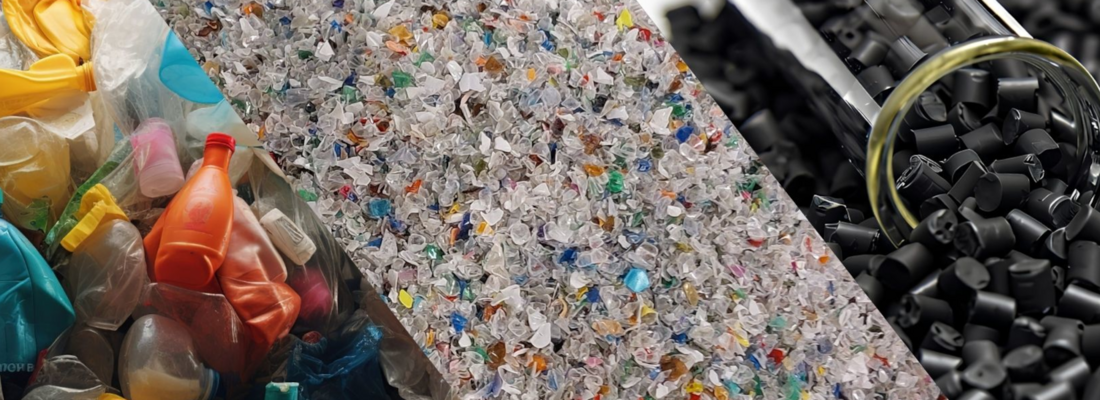
The designation RC1 stands for the use of post-consumer recycled (PCR) materials. The new Ultradur® RC1 products are based on PCR-PET sourced from packaging waste not competing with established bottle-to-bottle recycling streams and is often used for energy recovery instead. By utilizing this material, BASF taps into an additional recycling stream and directs previously underutilized resources into high value applications.
“The automotive industry faces growing pressure to increase the use of recycled materials while continuing to meet the highest technical requirements. With Ultradur® RC1, we offer a solution that combines both: a significant share of post consumer recycled content and a performance required for demanding engineering applications,” says Patrick Wilke, Segment Manager Transportation, Engineering Plastics, BASF.